
Welcome
A brief background of the Italian wall lizard’s presence in the United States and introduction to potential concerns resulting from their invasion.
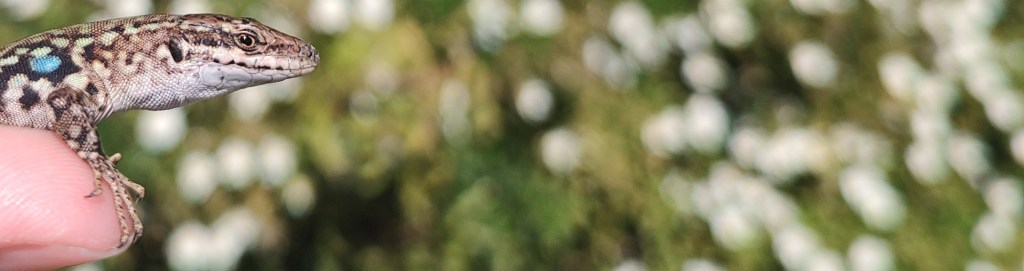
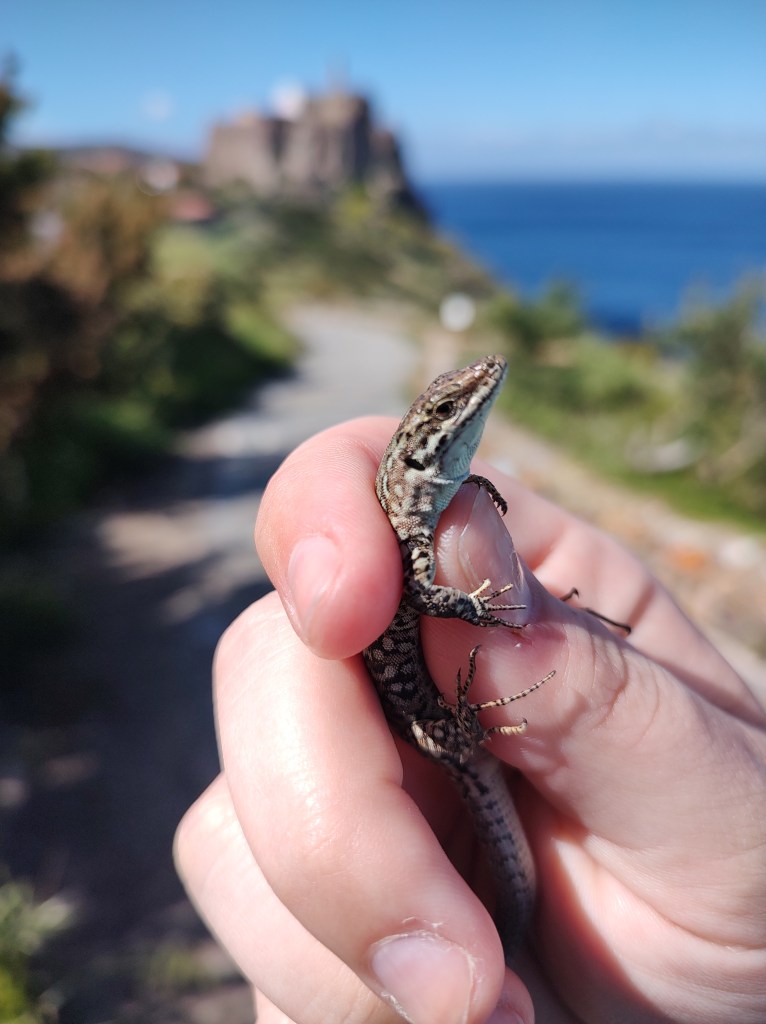
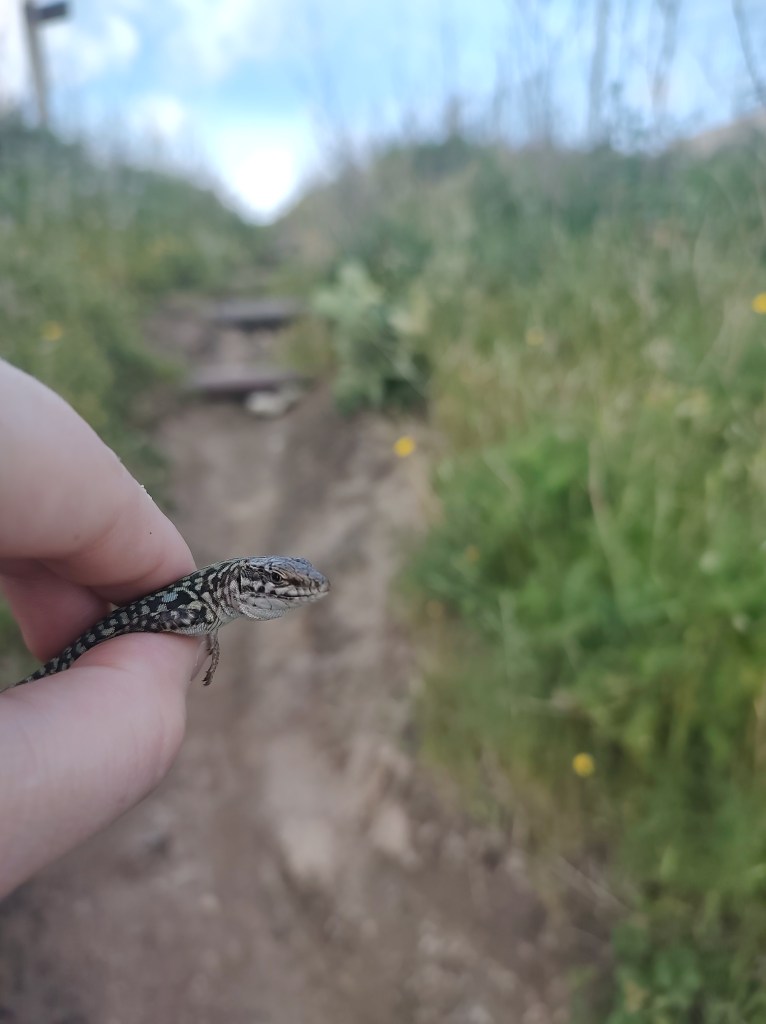
The Italian wall lizard (Podarcis siculus) has established populations in 12 states across the U.S., although this number will likely continue to increase until new conservation action is put into place. Originally native to southern Europe, this lizard has been introduced through several pathways, including the pet trade or accidental transport. Since its various introductions to the U.S., the Italian wall lizard has adapted well to urban and suburban environments, often displacing native lizard species and potentially disrupting local ecosystems. These lizards are known for their rapid reproduction and ability to thrive in various habitats. Understanding the impact of the Italian wall lizard on native wildlife and ecosystems will be crutial for developing effective management strategies to mitigate its spread and preserve local biodiversity.

Where did they come from?
Not all of the introductions of Italian wall lizard in the United States have been identified. Although some older populations can be traced back to pet stores, supply warehouses, and intentional releases.
What is their impact?
Currently, little work has been done to identify the impact of Italian wall lizards on native lizard species in the United States. However, introductions closer to P. siculus’s native range have resulted in exploitative competition, negatively affecting local lizards.
What can I do to help?
Please help contribute to tracking the updated range of the Italian wall lizard by adding photos to iNaturalist or submitting information about your find, here! Please share your experience with these lizards and reach out to find out about collaboration or outreach opportunities.
 Wall Lizards